Ekster Wallet vs Ridge Wallet for Daily Carry: A Minimalist Showdown
If you’re hunting for a sleek, practical daily carry wallet, two names you’ll often run into are Ekster Wallet and Ridge Wallet. Both have carved a niche among minimalist wallets, but they each approach your pocket’s needs differently.
In this review, I'll go hands-on comparing these offerings, touching on minimalist carry and pocket comfort, essential truths about RFID blocking, card access mechanisms, and the nitty-gritty of materials and durability. We’ll also glance at others in the space like Trayvax—known for its sturdy Original 2.0, Element, Contour, Venture Billfold, and Armored Summit wallets—to give perspective on what minimalist, rugged wallets bring to the table.
Minimalist Carry & Pocket Comfort: Why Size and Shape Matter
One thing I test religiously is how a wallet behaves in my pocket throughout a day of daily movement and sitting. Spoiler alert: thickness and edges matter a ton, especially for tighter jeans or slacks.
- Ridge Wallet card stack: Often touted for its thinness, the Ridge uses two metal plates held together with elastic bands to create your card stack. Its completely flat, rectangular profile means it slides in sleekly but can feel rigid and mechanical. Carrying 5 to 6 cards plus cash keeps it slim, but more than that demands extra effort with the bands.
- Ekster Wallet $99 pop-up style: Ekster trades the metal plates for a pop-up card mechanism. Cards are tucked inside a protective sleeve, and a button on the side fans out your cards for quick selection — no fumbling, no muscle required. The profile is slightly rounded, made for smoother pocket rides but it’s a touch bulkier than Ridge models.
In my daily tests, Ridge’s anodized aluminum version (from $95) felt like a minimalist steel or titanium business card holder: super slim but rigid. The Ekster, meanwhile, was instantly comfortable and didn’t jab at my thigh or cause unnecessary pressure while seated. I always appreciate when a wallet considers those pocket edges — something I also noticed in the leather-craft Trayvax Venture Billfold, which integrates rustic leather padding to soften the carry.
RFID Blocking: What It Actually Does (and Doesn’t)
Both Ekster and Ridge emphasize RFID blocking—something many minimalist wallet brands tout like it's some kind of magic bullet against all data theft.
Here’s the real scoop:
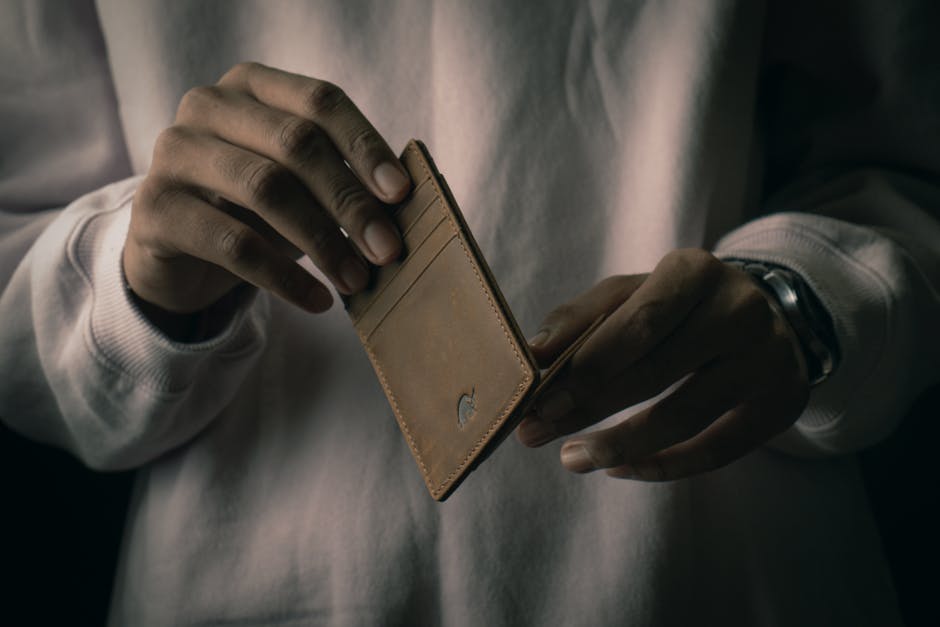
- RFID (Radio Frequency Identification) blocking technology aims to prevent contactless card scanners from reading your credit or debit card chips remotely.
- For this, materials like aluminum or carbon fiber (found in Ridge, Ekster, and Trayvax wallets) act as a Faraday cage, blocking radio waves.
- But realistically, RFID skimming is a low-risk issue today. It requires close-range scanners and specific, outdated hardware that most places no longer use.
- So if you’re using NFC payments or your card is in a secure chip-and-pin or tokenized app, RFID blocking is a “nice to have,” not a "must-have."
Both Ridge and Ekster deliver solid RFID protection without sacrificing wallet style or wallet fanning mechanism explained comfort. Ridge’s metal plates inherently block frequencies. Ekster uses carbon fiber versions or aluminum shells depending on the model, also with integrated blocking. However, if you want no compromises on ruggedness, Trayvax wallets—especially the Armored Summit with its DTEX synthetic material and heavy-duty design—might better suit highly active lifestyles.
Card Access Mechanisms: Stack, Pop-Up, Fan, Pull Strap Explored
This is where your daily carry experience either clicks or becomes awkward:
Wallet Card Access How It Works Pros Cons Ridge Wallet Card Stack with Elastic Bands Cards are stacked between metal plates and held by elastic tension. Remove cards by sliding from the top or side. Thin profile, durable metal, simple design. Cards can be tricky to access quickly; elastic wears over time. Ekster Wallet Pop-Up mechanism Side button activates internal lever, fanning cards out like a deck. Quick access, secure card storage, less fumbling. Slightly thicker, can be noisier when popping out. Trayvax Original 2.0 Stack with Pull Strap Cards stacked and secured with a leather strap at bottom. Rugged look, simple access pull. Larger footprint, more pocket bulk. Trayvax Element & Contour Fan/Stack Hybrid Cards held between durable plates with a removable clip; fan feature on select models. Mix of ruggedness and quick access. Heavier, more complicated mechanism.Choosing between pop-up wallet vs metal plates really boils down to how frequently you access your cards mid-day. Ekster wins for speed and novelty, while Ridge impresses for its minimalist rigidity and durability. Trayvax fills a niche if you want rugged outdoor vibes with leather and DTEX materials.
Materials and Durability: Aluminum, Titanium, Carbon Fiber, Leather & DTEX
Materials affect how a wallet wears, how it *feels* in your pocket, and how long it lasts:
- Ridge Wallet: Primarily anodized aluminum shells ($95 and up), titanium, and carbon fiber. The anodized aluminum gives a lightweight, strong frame but can scratch on keys or coins. Titanium options add long-term durability but cost more. The carbon fiber model is ultra-light but still rigid.
- Ekster Wallet: Uses a mix including anodized aluminum, polycarbonate, and carbon fiber. Leather complements for select editions offer a softer vintage aesthetic. The mechanism is fine-tuned to avoid jams or card damage and performs well for daily wear.
- Trayvax Wallets: Feature leather combined with DTEX—a durable ballistic nylon-like fabric—or full metal plates. The Armored Summit and Original 2.0 wallets are built to survive tough, outdoor use and might attract those who want a tough EDC component rather than city slick.
In my experience, aluminum is a fair compromise—lightweight yet tough—but I am cautious about sharp edges or pronounced corners scratching my pocket’s lining or snagging on fabric fibers. Ekster’s rounded edges feel better in this regard, a quality I appreciate since I keep a thick “annoying” receipt in my wallet as a stress test daily.
Final Thoughts: What Fits Your Daily Carry Best?
Summing up the battle between Ekster Wallet vs Ridge Wallet:
- If you want razor-thin, rigid minimalism: The Ridge Wallet card stack design with anodized aluminum (from $95) offers no-frills durability and a sleek profile great for anyone who wants pocket space maximized without fuss. apple find my tracker card
- If you prioritize quick access and smoother pocket feel: Ekster Wallet $99 pop-up mechanism provides fast, elegant card fan-out with softer edges—perfect for those who swap cards frequently and want comfort.
- If ruggedness and rugged leather-tech hybrid vibes matter: Trayvax wallets, especially the Original 2.0 or Armored Summit, blend outdoor durability and classic looks, though they bulk up your pocket somewhat.
For those signing up to Techpoint Digest or financing wallet purchases via Paystack tools embedded on their favorite pages, these wallets represent a meaningful upgrade over bulky bifolds. Each appeals to a different tactile and functional preference, but all excel in modern minimalist carry.
Personally, my pocket’s comfort and how the wallet handles my "thick receipt stress test" tip the scale toward Ekster, but Ridge’s metal plates make an enduring minimal wallet worth serious consideration.
Let me know your daily carry and wallet thoughts in the comments below!
